Wisdom tooth surgery may be recommended when a wisdom tooth is impacted, painful, infected, or affecting nearby teeth and gums.
With proper assessment, treatment can be planned safely and comfortably. Read more about wisdom tooth surgery at Maple Dental, or book an appointment to find out whether removal is necessary for you.
You may need it if your wisdom tooth is impacted, painful, swollen, infected, difficult to clean, or affecting nearby teeth and gums. A dental examination and X-ray can confirm this.
Persistent pain at the back of the mouth may mean your wisdom tooth is impacted, inflamed, or putting pressure nearby.
Red, swollen, or bleeding gums around a wisdom tooth often suggest irritation, inflammation, or infection in the surrounding tissue.
A partially erupted wisdom tooth can trap bacteria and food, leading to repeated gum infection, swelling, pain, and discomfort.
Jaw or cheek swelling may indicate infection or inflammation linked to a wisdom tooth that needs prompt assessment.
Wisdom teeth can be hard to clean, increasing the risk of decay in both the wisdom tooth and adjacent tooth.
Food easily trapped around a wisdom tooth can increase bacteria buildup, raising the risk of decay, irritation, and infection.
Bad breath or a foul taste may be caused by bacteria, food debris, or infection around the wisdom tooth.
Pressure from a wisdom tooth may affect nearby teeth, causing discomfort, crowding, or difficulty keeping the area clean.
Different approaches are used depending on the position and condition of your wisdom teeth.
If the wisdom tooth has fully emerged and is accessible, it may be removed without surgical incisions. This is less common for wisdom teeth but possible in some cases.
A surgical extraction is required when the tooth is partially erupted, impacted or covered by gum or bone. This is the most common approach for wisdom teeth.
This occurs when the wisdom tooth grows sideways and pushes into the tooth beside it. Surgical removal is necessary to prevent further damage.
The tooth may tilt forward or backward. The procedure removes the tooth safely while protecting neighbouring structures.
Some teeth grow in a straight line but remain trapped under the gum. Surgery exposes and removes them.
If the tooth is covered by gum tissue only, a minor incision is made to remove the tooth.
If the tooth is partially or fully covered by bone, bone removal may be required before extracting the tooth.
Simply submit the form and our team will be touch with you shortly!
For urgent matters and dental emergencies, please call the clinic at (65) 6288 4995 instead.
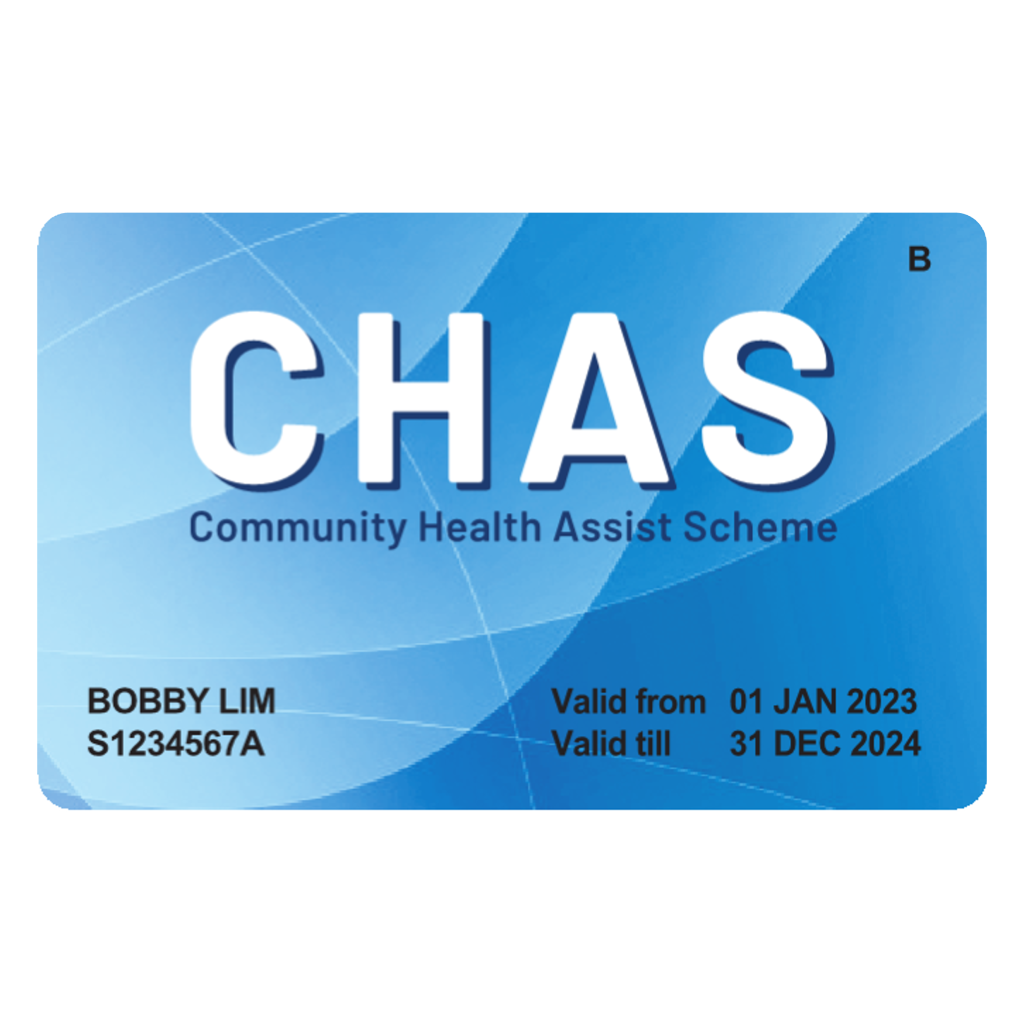
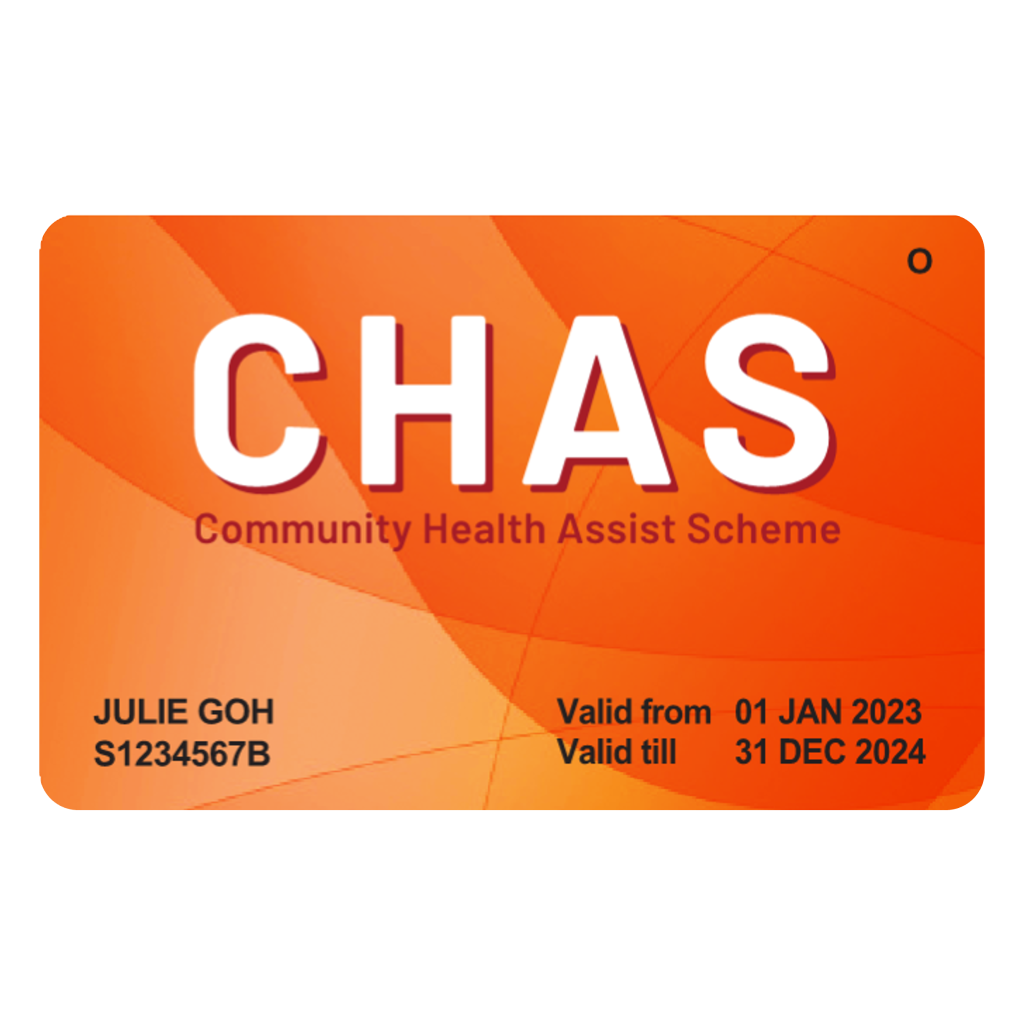
At Maple Dental, we are approved for most government subsidies, and also try our best to be a partner of most insurance panels, so that you can be rest assured that your visit is covered as much as possible.
Your dentist will examine your wisdom tooth, review your symptoms, and take an X-ray to assess the tooth’s position, roots, and surrounding structures. This helps determine whether removal is necessary and allows the surgery to be planned safely and accurately.
Before the procedure begins, the area is numbed with local anaesthesia to keep you comfortable. Once the tooth and surrounding gum are fully numb, the surgical area is prepared so the dentist can remove the wisdom tooth carefully and efficiently.
The dentist will gently access the wisdom tooth, and in some cases, divide it into smaller sections to make removal easier. The tooth is then removed with care to minimise trauma to the surrounding bone, gum tissue, and nearby teeth.
After the tooth is removed, the area is cleaned thoroughly and stitches may be placed if needed. You will then receive aftercare instructions on managing swelling, bleeding, diet, and healing, so recovery is as smooth and comfortable as possible.
Maple Dental focuses on creating a comfortable and transparent dental experience for every patient. When you come for your appointment, you benefit from a careful and open approach. There is no hard selling.

Dental care can be scary. We are gentle with you and attempt to reduce any discomfort and minimise pressure on your teeth or gums during treatment.
If you are anxious or sensitive, you will be guided through a calming process. Your comfort matters at every step of the visit.
You will always understand what is being done and why. Every step of the procedure is explained in simple and clear language.
Children, teenagers, adults and seniors all receive custom care according to their needs.
No you will not be hurting during the wisdom tooth surgery procedure.
You will be numbed gently before the procedure. Most patients feel pressure but no pain. Discomfort afterward is manageable with medication.
Most swelling peaks in two to three days and improves significantly within a week. Full healing of the bone takes several weeks.
Yes. Begin with soft foods such as yogurt, porridge and mashed potatoes. Avoid hot, spicy, crunchy or chewy foods for the first few days.
Mild swelling is normal. Applying an ice pack for the first twenty four hours helps reduce it.
Dry socket happens when the blood clot in the extraction site is disturbed. It can cause strong pain. Following aftercare instructions helps prevent this.
Yes. Many patients choose this for convenience, but the decision depends on your comfort and oral condition.
Most wisdom tooth surgeries take fifteen to forty minutes depending on complexity.
Pain is not the only reason for removal. Some wisdom teeth cause silent damage to gums or neighbouring teeth.
In some cases, wisdom teeth might be removed to make space for orthodontic treatment.
X rays help determine whether extraction is recommended.
Many patients rest for one to two days. You may resume light activities when comfortable.
Avoid smoking, using straws, vigorous rinsing and strenuous exercise during the early healing period.
If we’ve addressed all your queries on this website, then schedule your Dental Health Check now!
If you have more questions, feel free to reach out to us on WhatsApp!
Mon to Fri: 9am to 1pm; 2pm to 5pm; 6pm to 9pm
Sat & Sun: 9am to 1pm; 2pm to 5pm
Public Holidays: Closed
Blk 204 Hougang St 21, #01-99, Singapore 530204
Tel: (65) 6288 4995
WhatsApp: +65 9131 0330
Email: enquiries@mapledental.sg